Therapeutic peptides at biological barriers
The Lombardi Lab is building an interdisciplinary research programme focused on therapeutic peptides at biological barriers.
Peptides are increasingly important as medicines, biological tools and delivery agents, but their therapeutic potential is often limited by poor stability, restricted transport and complex interactions with biological interfaces. These challenges are particularly important at selective barriers such as the blood–brain barrier, the blood–CSF barrier, the gut epithelium and other cellular, mucosal and microbial interfaces that regulate access, signalling and biological function.
Our work asks how peptide structure, stability and biological-interface interactions influence peptide behaviour in complex human-relevant environments. Our current focus is on CNS-relevant barriers, with a developing interest in gut–brain and mucosal barrier systems where therapeutic peptides and endogenous peptide signals must reach, cross or act at the right biological interface. We combine peptide chemistry, drug delivery, engineered in vitro models and bioanalytical approaches to generate more informative ways to study peptide transport and delivery.
In this short video, Lucia Lombardi introduces the research vision of the Lombardi Lab and the group’s emerging programme on therapeutic peptides at biological barriers. Video produced by Erin Spence, Digital Support Officer at the School of Biological Sciences, Queen’s University Belfast.
Our central question
How do peptide structure, stability and biological-interface interactions control peptide behaviour at biological barriers?
Rather than asking only whether a peptide reaches a target site, we aim to understand the intermediate steps that determine its behaviour in biologically relevant environments. These include molecular stability, interaction with cells and membranes, cellular association, uptake, retention, degradation, efflux and directional movement across barrier models. By connecting peptide design with barrier biology, we aim to move from empirical peptide testing towards more rational approaches to therapeutic peptide development.
Current and Developing Research Directions
1. Therapeutic peptides at CNS-relevant barriers
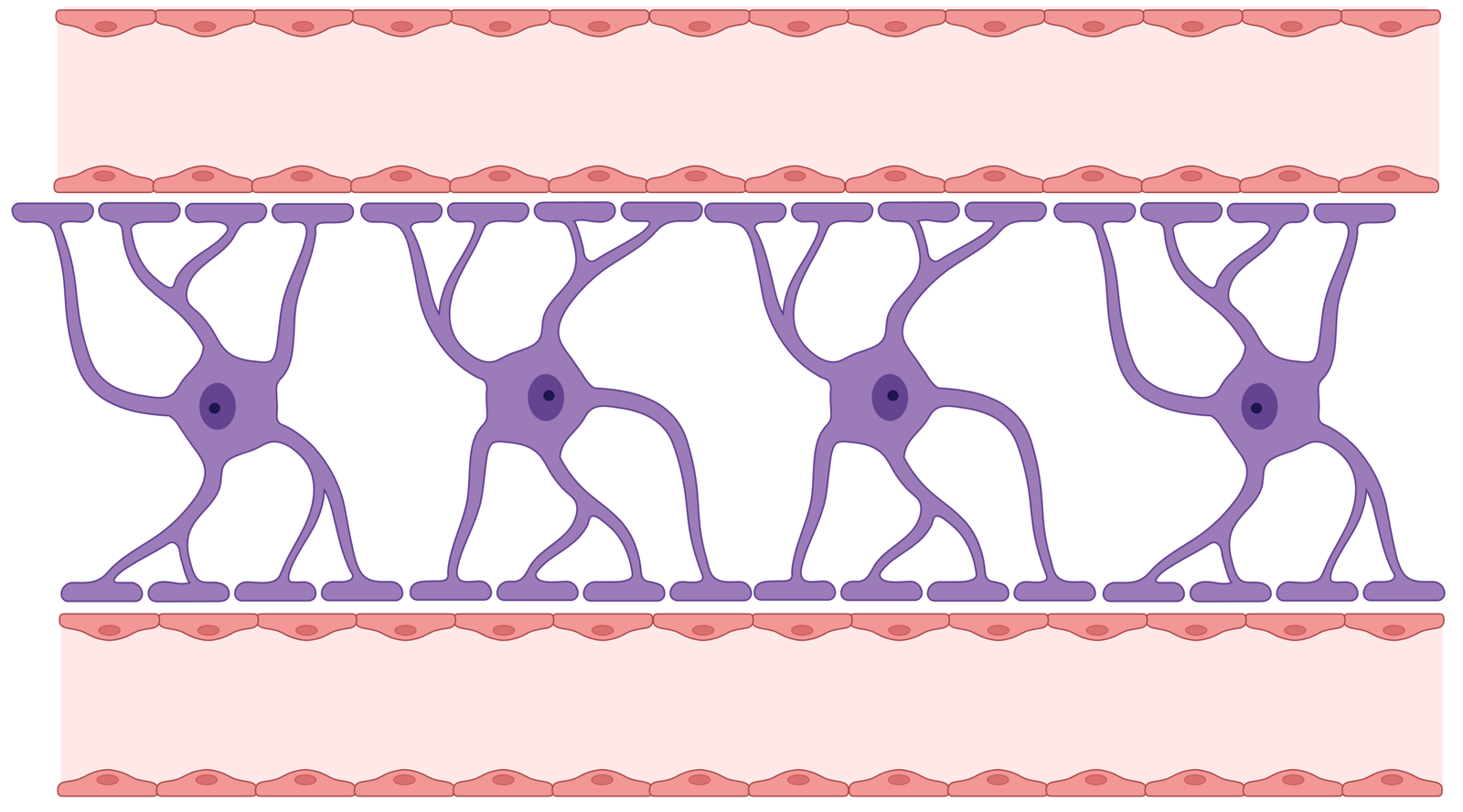
Our current focus is to understand how therapeutic and endogenous peptides interact with CNS-relevant barrier systems, including blood–brain and blood–CSF interfaces. The brain is protected by highly selective barriers that tightly regulate molecular access. This creates a major challenge for peptide therapeutics, which often show promising biological activity but limited delivery to the right site of action.
Rather than asking only whether a peptide “crosses” a barrier, we aim to understand how peptide sequence, charge distribution, stability, conformation and molecular presentation influence different stages of barrier handling. These include recognition, cellular association, uptake, retention, degradation, efflux and trans-barrier movement. This work aims to generate peptide transport fingerprints that can support more rational design of therapeutic peptides for CNS-associated interfaces.
2. Peptides at mucosal and microbial interfaces
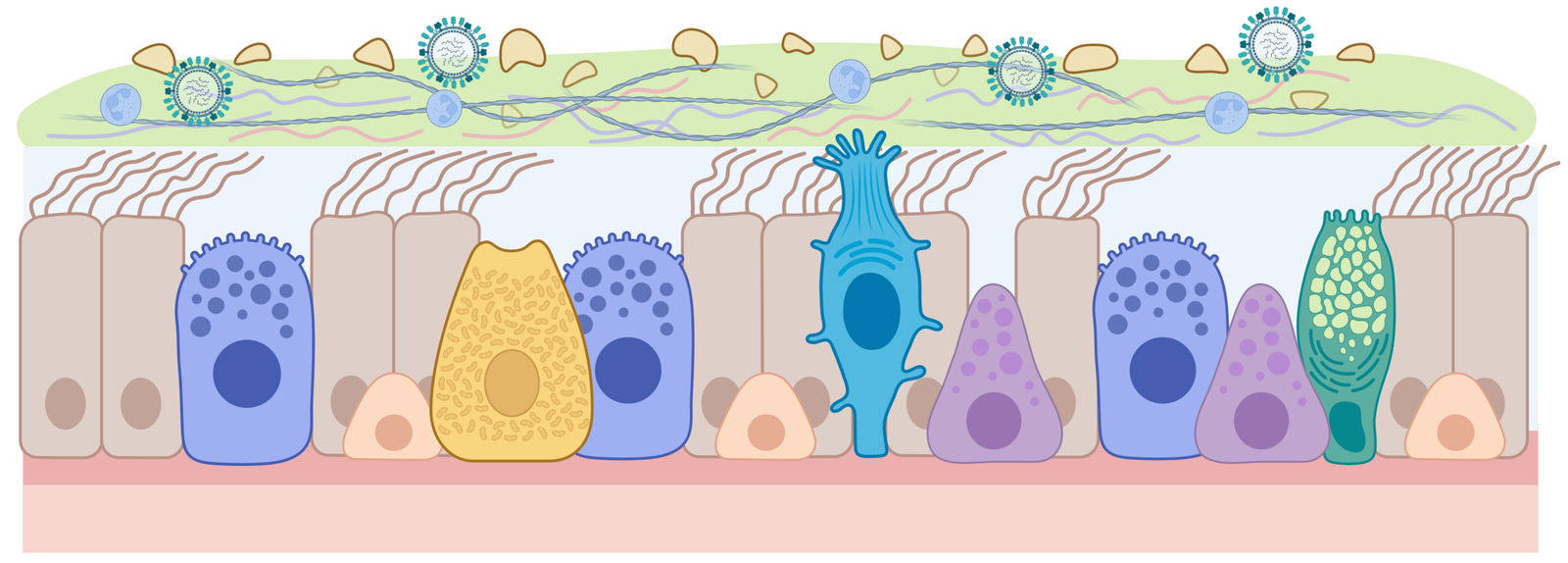
We are developing research directions focused on how peptides behave and function at mucosal and microbial interfaces. These environments are biologically complex: epithelial barriers, mucus, microbial communities, biofilms and local immune signals can all influence peptide stability, localisation, selectivity and biological activity. Understanding these interactions is important for designing peptides that act locally without disrupting surrounding tissues or beneficial microbial communities.
This direction builds on the lab’s expertise in antimicrobial and biofilm-facing peptides, while extending it towards broader questions of peptide function at mucosal barriers. The aim is not simply to identify antimicrobial activity, but to understand how peptide properties shape local function, selectivity and compatibility in complex biological environments.
3. Peptide-regulated sensing systems
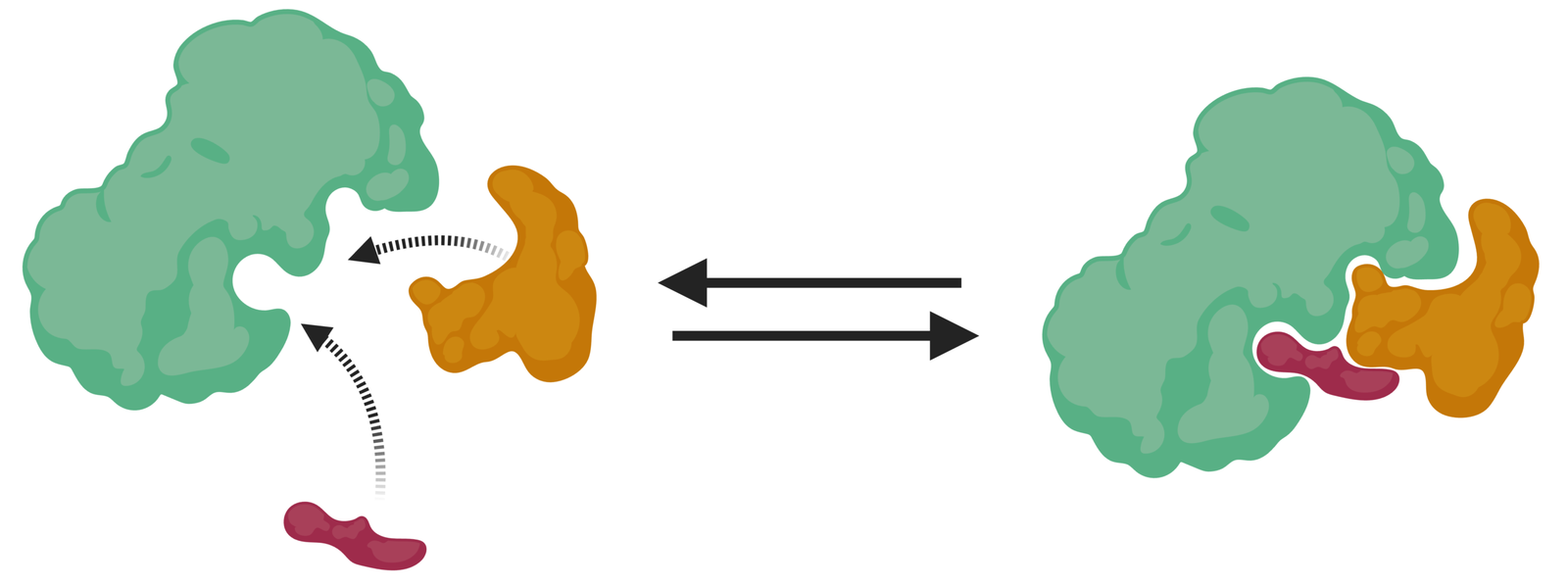
A further developing direction explores how peptides can be used as modular elements to regulate biological sensing systems. Peptides are considered not only as therapeutic molecules, but also as tools that can tune, stabilise or regulate biological sensors with measurable functional outputs. This includes peptide-responsive or peptide-modulated systems where changes in peptide–protein, peptide–membrane or peptide–interface interactions can be linked to optical, stress-responsive or other measurable readouts.
This direction builds on a broader question shared across the lab: how can short peptides be used to influence biological behaviour in a predictable and measurable way?
4. Human-relevant models and design rules
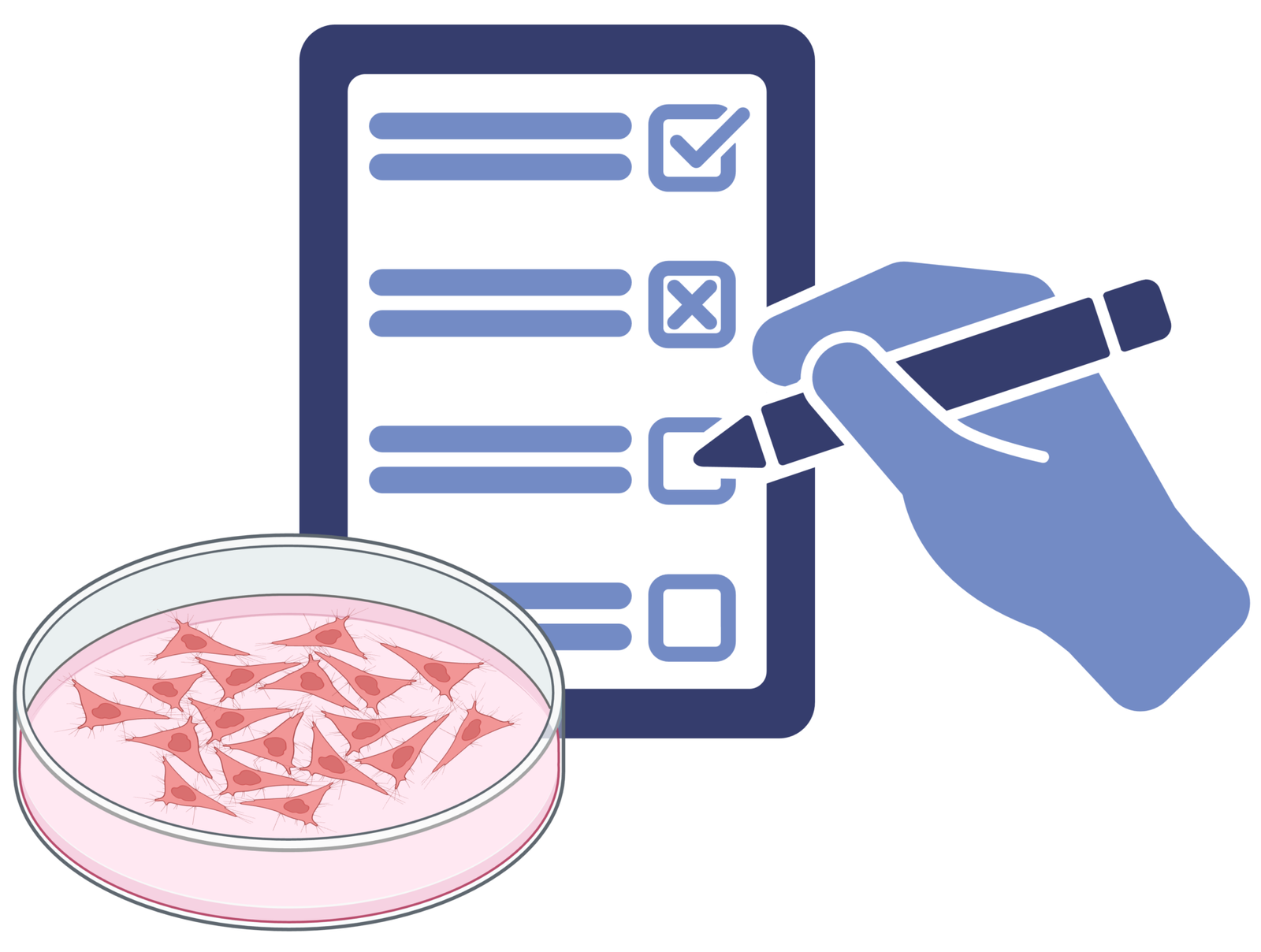
Across these directions, we use and are developing human-relevant in vitro models, bioanalytical methods and design–test–learn workflows to connect peptide molecular features with biological behaviour.
We study how sequence, charge distribution, conformational tendency, stability, chemical modification and molecular presentation influence peptide performance in barrier and interface models. These features are linked to measurable outcomes such as cellular association, uptake, retention, degradation, directional movement, local biological function or sensor response. The goal is not to claim a universal predictive model at this stage, but to develop practical, experimentally grounded design rules for peptides that need to act at, within or across biological barriers and interfaces.
Related and Foundational Expertise
The current programme builds on prior expertise in peptide therapeutics, peptidomimetics, peptide-based biomaterials, antimicrobial peptides, membrane-mimetic screening systems and drug delivery. These areas provide the foundation for how we design, modify, characterise and test peptides in biologically relevant environments. They also support the lab’s emerging focus on peptide behaviour at biological barriers and interfaces.
Membrane-mimetic screening for peptide drugs
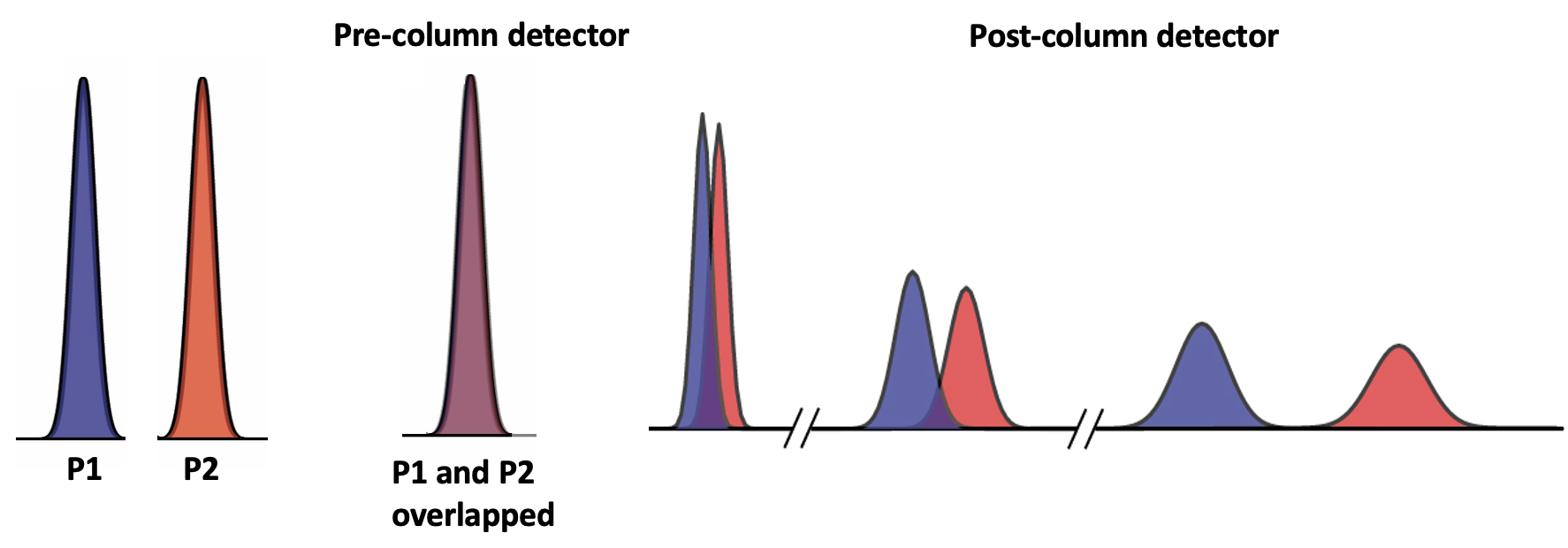
Our previous work includes the development and use of membrane-mimetic analytical systems to study peptide interactions with membrane-like environments. These approaches can support early peptide drug development by helping to evaluate peptide behaviour, retention and interaction with membrane-relevant systems.
Peptidomimetics and constrained peptides
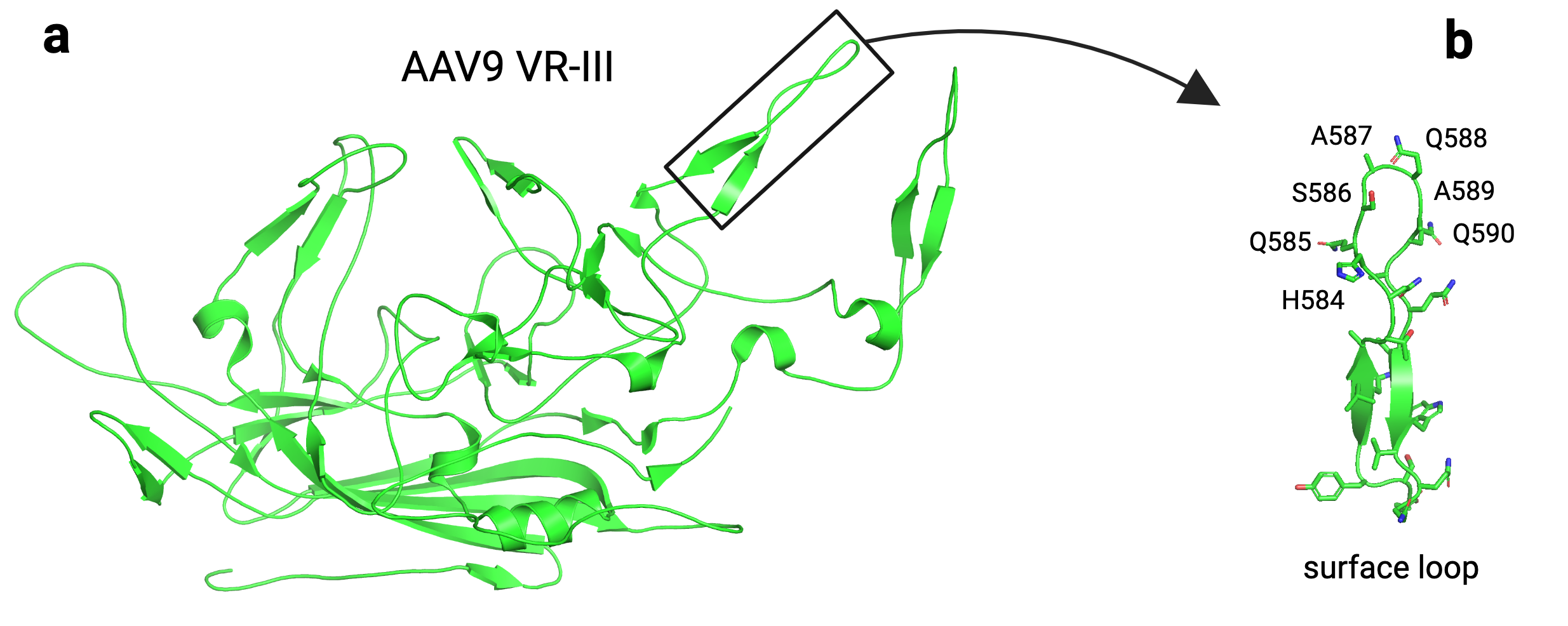
Peptide structure strongly influences biological function, stability and recognition. Our expertise includes peptide and peptidomimetic systems, including constrained and cyclic peptides, which can be used to study molecular recognition, protein interfaces and peptide-inspired therapeutic technologies.
Antimicrobial and biofilm-facing peptides
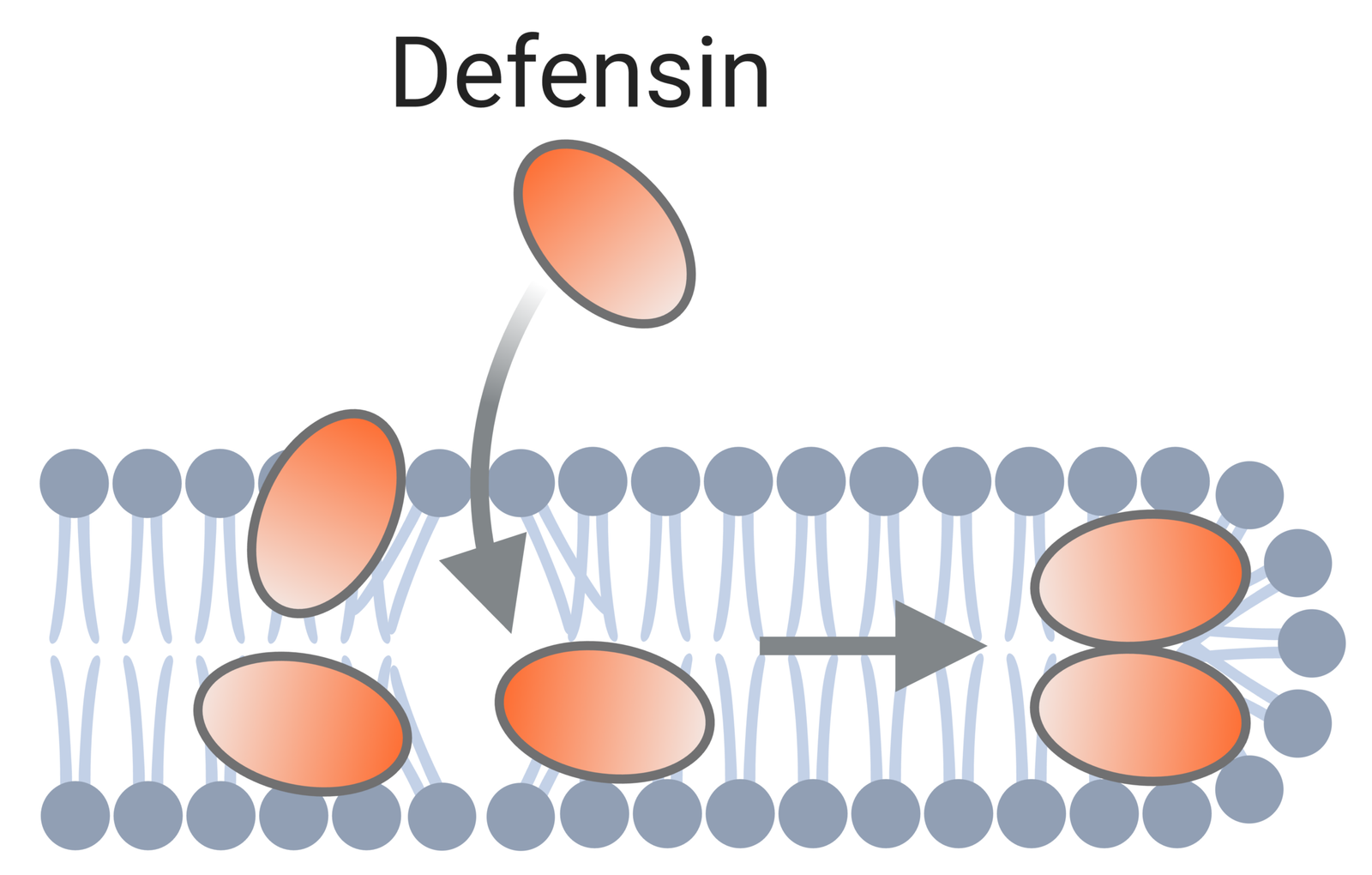
Our previous and related work includes the design and characterisation of peptide-based systems that act at microbial and biofilm interfaces. This area remains scientifically connected to the lab’s broader interest in how peptide sequence, self-assembly and biological-interface interactions control function in complex environments. Antimicrobial and biofilm-facing peptides provide an important model for studying how peptides interact with microbial, mucosal and material-associated interfaces.
Peptide shuttles and delivery systems
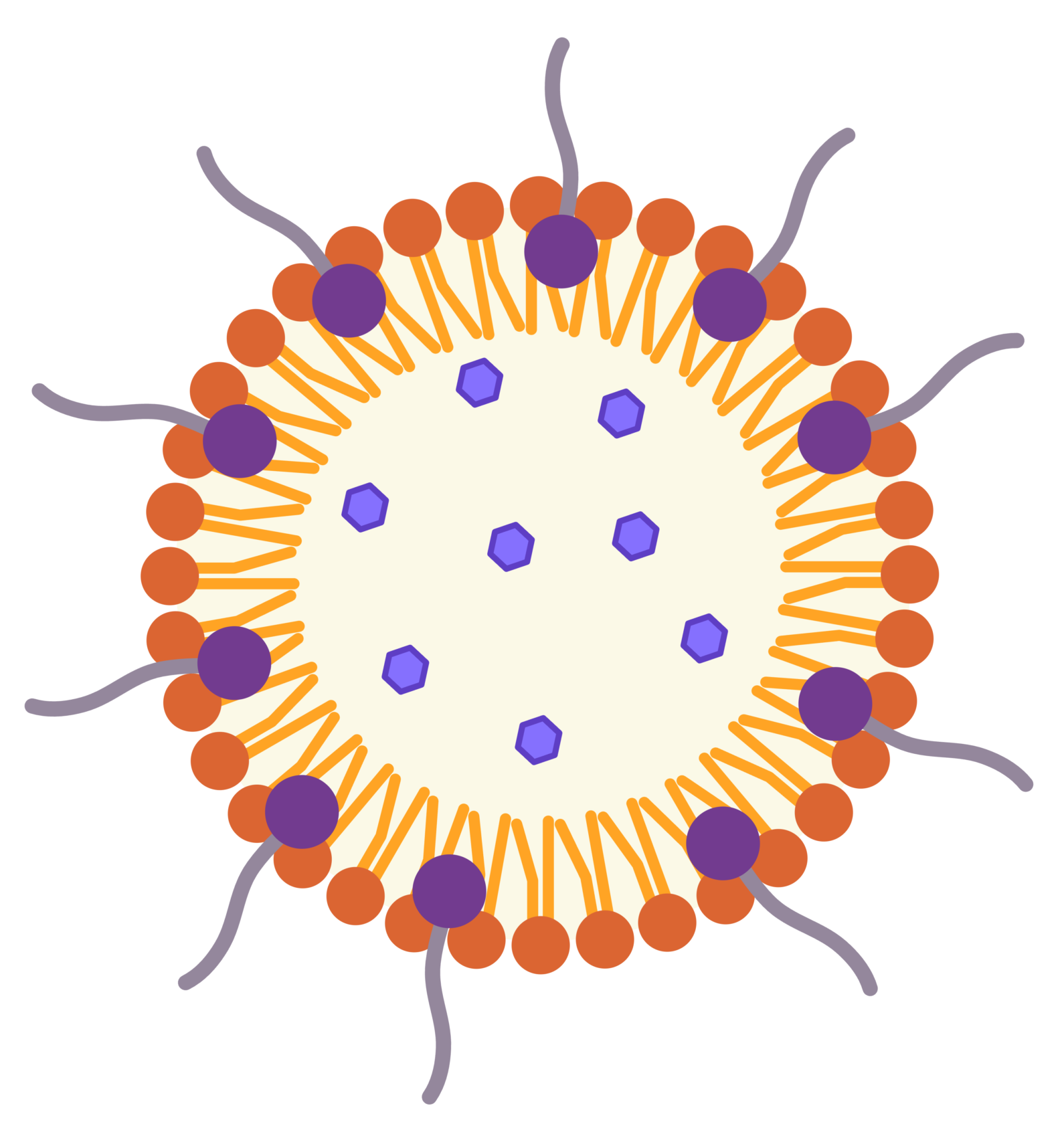
Peptide-inspired delivery systems can be used to improve the transport of therapeutic cargoes across cellular and biological barriers. This area connects directly with the lab’s interest in peptide transport, barrier engagement and rational design strategies for therapeutic delivery.
Long-Term Vision
The long-term vision of the Lombardi Lab is to develop design principles for therapeutic peptides that need to act at, within or across biological barriers. By integrating peptide chemistry, human-relevant engineered models and quantitative biological assays, we aim to generate clearer experimental evidence on peptide transport and delivery. This will help support the development of peptide therapeutics with improved biological performance, clearer mechanisms of action and stronger translational potential.