Peptides are everywhere right now, yet many people still do not really know what they are. Until recently, peptides remained largely the language of scientists, discussed mainly in laboratories and specialist journals. Today, they appear in news headlines, in doctors’ offices, in skincare products, and even in everyday conversation. People talk about peptides for weight loss, peptides in facial creams, and peptide-based medicines that are reshaping treatment for obesity and diabetes. GLP-1 receptor agonists, in particular, have shown substantial clinical benefits across metabolic disease, although their use still requires careful consideration of safety and tolerability.
But are peptides really miracle molecules?
The answer is more interesting than a simple yes or no. Like all medicines, peptides are not without limitations or side effects. They are not magic solutions. And yet their impact has already been profound. Their growing visibility reflects something real: peptides have become increasingly important in modern medicine because they can combine biological activity with remarkable molecular precision.
Their importance goes far beyond metabolic disease or cosmetic applications. Peptides and peptidomimetics are being explored across therapeutics, delivery, biomaterials, infection control, and diagnostics. A review article published in Chemical Reviews in 2025 by Lombardi and colleagues highlights how peptidomimetics are being developed to improve the stability, specificity, and broader applicability of peptide-based therapeutics.
And this is only part of the story. Peptides can be designed for targeted delivery, incorporated into advanced biomaterials, and adapted as sensing platforms or functional assemblies. Despite decades of research, there is still enormous room to expand what peptides can do. Their versatility is remarkable: they can act as therapeutic agents, delivery tools, structural materials, and molecular probes, sometimes all within the same research space.
This naturally leads to two important questions. Will peptides one day be used for everything? And if they are so powerful, why do incurable diseases still exist?
These questions matter because they remind us to look at peptides with both excitement and realism. Peptides are not a universal answer, and they will not replace every other type of drug. Biology and drug discovery are far too complex for that. But they are opening new possibilities in medicine, biotechnology, and materials science at a pace that would have seemed extraordinary only a few years ago. Peptides are not everywhere because they are fashionable. They are everywhere because they work, and because researchers are only beginning to understand how far their potential can reach.
Research Challenge
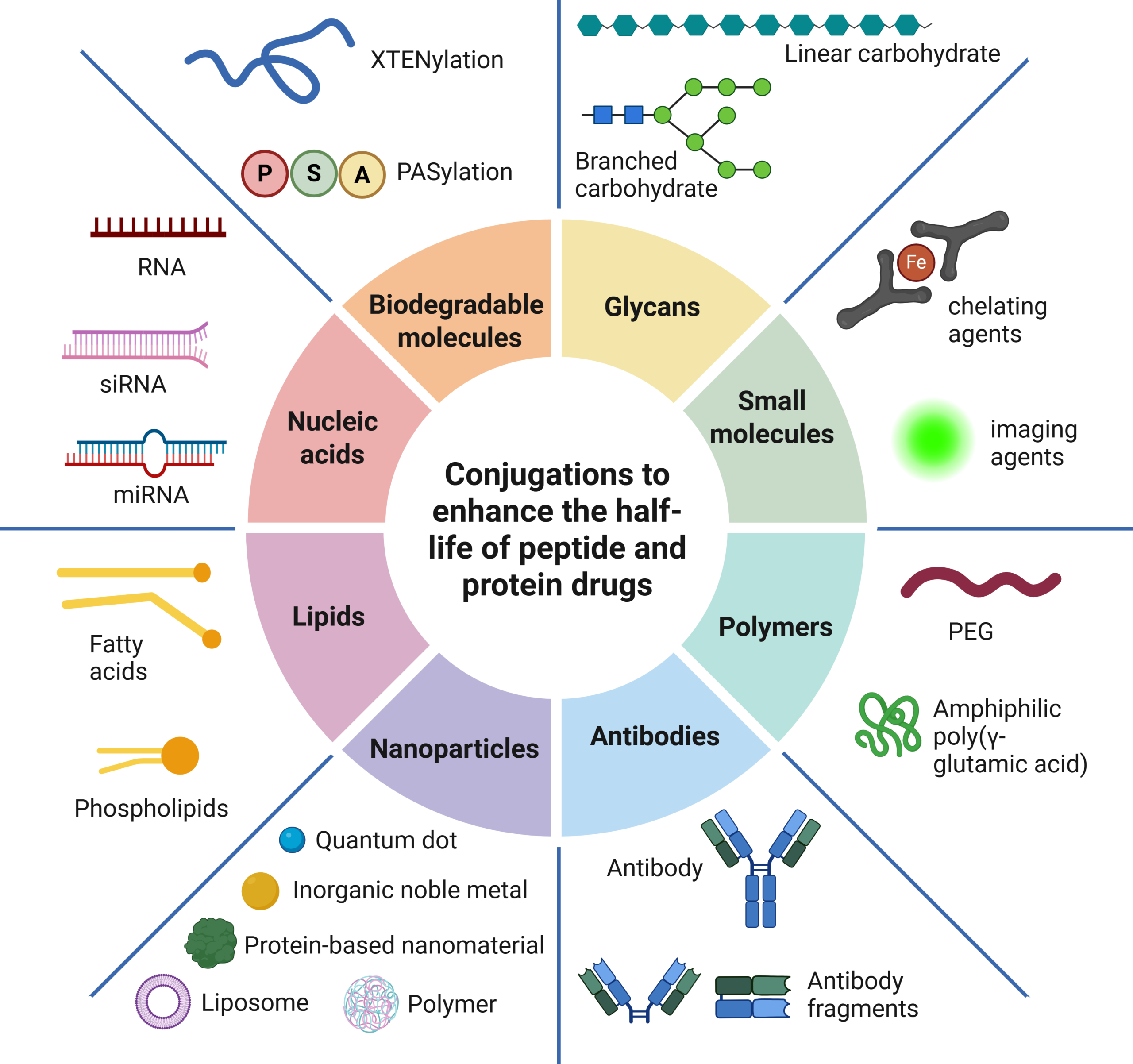
Despite the growing visibility of peptides in public discussion, their scientific development still faces major challenges. Peptides can be highly selective and biologically powerful, but their translation into practical therapies is often limited by poor stability, rapid degradation, short half-life, difficult oral delivery, and low permeability across biological barriers. In many cases, the problem is not whether peptides can work, but how to make them work in real biological systems.
A further challenge lies in expanding peptide function beyond conventional drug design. To be truly useful, peptides must often be re-engineered to target difficult protein-protein interactions, cross the blood-brain barrier, disrupt resistant microbial biofilms, self-assemble into functional biomaterials, or act as sensing and diagnostic tools. These are not marginal problems in the field; they are some of the central questions that determine whether peptide-based systems can move from promise to application.
Our approach
The Lombardi Research Lab approaches peptides not as a single class of drugs, but as a versatile molecular platform that can be adapted to solve a wide range of biomedical problems. The group’s work explores peptides as therapeutics, delivery agents, biomaterials, antimicrobial systems, antiviral tools, sensing elements, and engineered assemblies. This breadth is central to the lab’s approach: rather than focusing on one application alone, the research investigates how peptide structure and function can be redesigned to meet different scientific and clinical challenges.
One major strand of the lab’s work focuses on improving the performance of peptide-based systems as therapeutics. This includes developing strategies to enhance peptide stability and delivery, designing peptidomimetics for next-generation therapeutics, and exploring loop cyclisation approaches for difficult protein-protein interaction targets. Together, these efforts address one of the field’s central questions: how peptide-based systems can be made more stable, more effective, and more suitable for demanding biological settings.
A second strand of the research addresses infection and antimicrobial resistance. Here, the group explores self-assembling antimicrobial peptides, molecular design strategies to enhance antimicrobial potency, anti-biofilm approaches, and peptide-based biomaterials for combatting infection and improving drug delivery. This work shows how peptides can move beyond conventional therapeutic roles and function as responsive materials and anti-infective platforms.
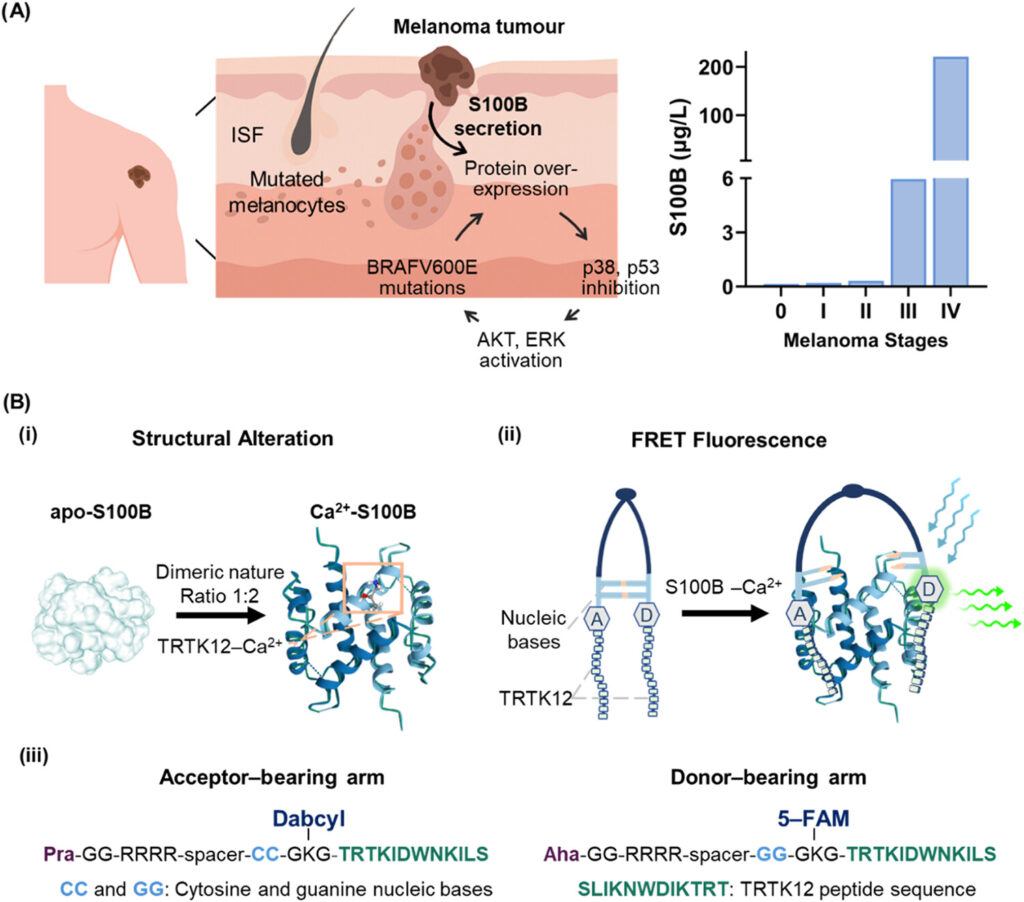
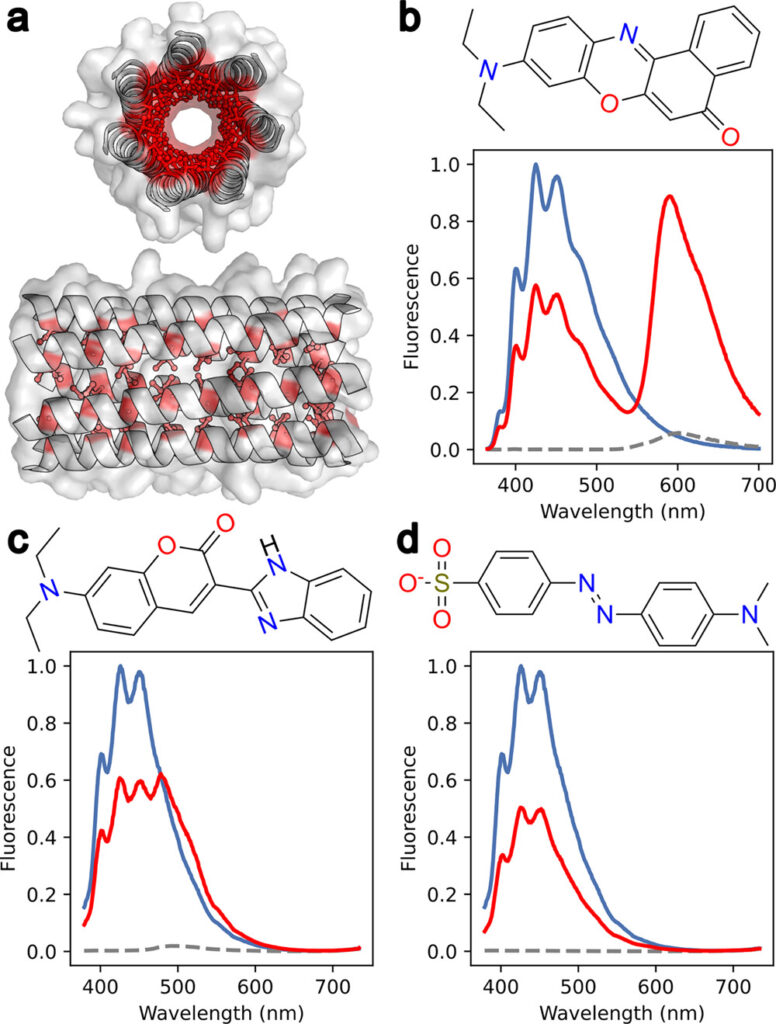
A third strand extends peptide research into advanced biomedical technologies. The lab investigates cell-penetrating peptides, blood-brain barrier shuttle peptides, antiviral peptide design, de novo peptide assemblies for sensing and catalysis, and peptide-based biosensing platforms for disease-relevant biomarkers. Taken together, these research directions present peptides not simply as medicines, but as adaptable tools for delivery, detection, molecular recognition, and functional design.
What impact did it make?
The impact of the Lombardi Research Lab’s work lies in broadening the role of peptides within biomedical research. The group’s research helps establish peptides not simply as therapeutic molecules, but as programmable systems that can be engineered for treatment, delivery, detection, and material function. In this sense, the impact lies not only in individual applications, but in demonstrating the wider possibilities of peptide-based design.
More broadly, this research contributes to a shift in how peptides are positioned across chemistry, biology, and medicine. By showing that peptides can be developed as adaptable tools for a wide range of biomedical challenges, the lab’s work helps expand the scientific and translational space in which peptide-based systems can operate. This broader perspective is important because it supports new technologies, new therapeutic concepts, and new strategies for translating molecular design into biomedical innovation.